Walthamstow Carpet Cleaning Guide for Hoe Street Shoppers
If you are browsing Hoe Street and thinking, "Do these carpets need a proper clean, or am I just being fussy?", you are not alone. In busy parts of Walthamstow, carpets take a beating from street dust, wet shoes, prams, pets, takeaway spills, and everyday footfall. This Walthamstow carpet cleaning guide for Hoe Street shoppers is here to help you work out what actually matters: which cleaning method suits your home, what to ask before booking, how to avoid costly mistakes, and how to keep carpets looking better for longer. Simple really. Well, mostly simple.
Whether you live above a shop, in a flat off Hoe Street, or you are comparing services while out running errands, this guide gives you a practical way to judge quality without getting lost in sales talk. It also covers the little details that often get missed, from drying time and fibre type to stain treatment and aftercare.
Why Walthamstow carpet cleaning guide for Hoe Street shoppers Matters
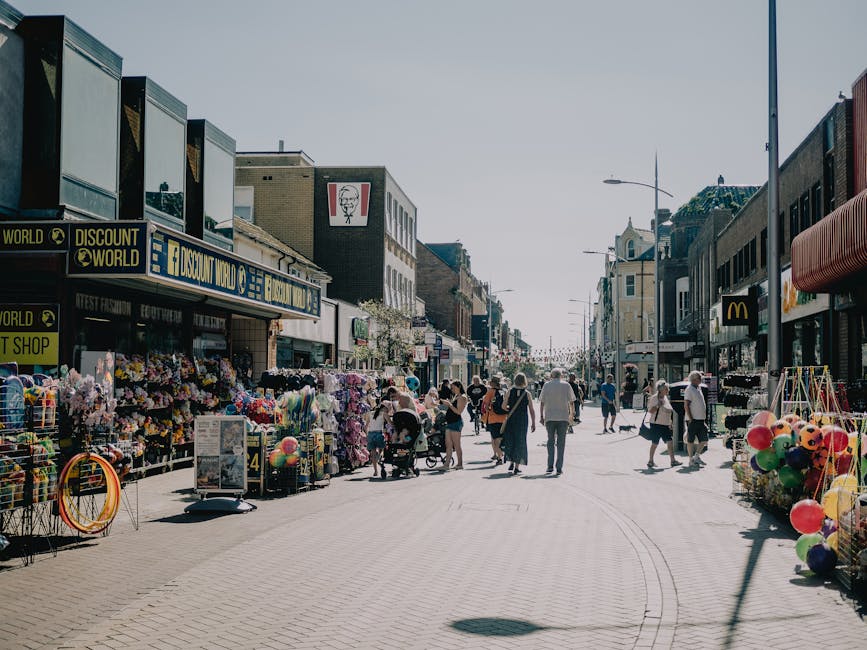
Hoe Street is lively, practical, and constantly moving. That is part of the appeal, of course, but it also means carpets pick up grime faster than many people expect. Think of the grit brought in from pavements, damp in winter, and the everyday mess that builds up in hallways and living rooms. Even if a carpet looks "fine" at a glance, the fibres may still be holding dust, oils, and allergens that vacuuming alone will not remove.
For shoppers and residents alike, the point is not perfection. It is knowing when a carpet has reached the stage where a deeper clean will genuinely improve the room. A good clean can make a flat feel fresher, reduce stale odours, and help a home look more cared for. If you rent, it can also make move-out prep less stressful. If you own, it can help you get more life out of the carpet instead of replacing it early.
There is also a practical local angle. On a busy high street, time matters. People often want a service they can understand quickly, compare fairly, and book without guesswork. That is where clear pricing, realistic drying times, and proper insurance become important. If you are comparing options, the company's pricing and quotes page is a sensible place to start because it helps you think about value, not just the headline number.
Expert summary: the best carpet cleaning choice is rarely the flashiest one. It is the one that matches your carpet type, your schedule, and the level of soiling in your home.
How Walthamstow carpet cleaning guide for Hoe Street shoppers Works
Professional carpet cleaning normally starts with inspection. A cleaner checks the fibre type, visible wear, stain locations, and the overall condition of the carpet. That matters because not every carpet likes the same treatment. A synthetic hallway carpet can usually handle a more robust clean than a delicate wool rug, for example.
Most services follow a sequence that looks something like this:
- Pre-inspection: identify fibre type, stain risk, and problem areas.
- Dry soil removal: thorough vacuuming to lift grit and loose debris first.
- Pre-treatment: targeted solution on traffic lanes, spots, and greasy marks.
- Main clean: hot water extraction, low-moisture cleaning, or another method suited to the carpet.
- Rinse or finishing pass: remove residue and improve the final feel.
- Drying and grooming: help the pile stand up and dry evenly.
Some jobs are very straightforward. Others are not. A front room carpet with light soiling may need a quick refresh, while a family home with food spills, pet traffic, and hallway wear will need more time and more careful treatment. To be fair, that is usually the sign of a proper service: it adapts instead of forcing one method onto everything.
If your home has more than carpet to think about, many households pair carpet care with deep cleaning or even upholstery cleaning so the whole room feels balanced rather than half-done. That is especially useful if your sofa and carpet share the same daily wear and tear.
Key Benefits and Practical Advantages
A proper carpet clean does more than remove a visible stain. The best results tend to show up in small, everyday ways that people notice after the fact: the room smells cleaner, the pile feels softer underfoot, and light no longer catches dull patches in the same way. It is the sort of improvement you appreciate every time you walk through the door.
- Better appearance: traffic lanes, dull areas, and localised marks often lift noticeably.
- Improved freshness: stale odours from spills, pets, or general use are reduced.
- Longer carpet life: grit acts like sandpaper in the fibres, so removing it helps reduce wear.
- More comfortable rooms: a cleaner carpet makes a lounge or bedroom feel more inviting.
- Better move-out presentation: useful for tenants preparing for inventory checks.
- Less guesswork: you know exactly what has been cleaned and what still needs attention.
There is a practical cost angle too. A good clean can delay replacement, and replacement is usually the bigger expense by a long way. Let's face it, nobody gets excited about buying a new carpet unless they really have to.
If you are comparing household cleaning tasks, carpet work can also sit nicely alongside one-off cleaning or house cleaning where the goal is a reset rather than maintenance.
Who This Is For and When It Makes Sense
This guide is for a fairly wide group of people, and that is the point. Hoe Street shoppers are not all looking for the same thing. Some want a quick spruce-up before visitors arrive. Others need a serious stain removal job. Some are landlords or tenants. Some are busy families who have just realised the hallway has gone from "used" to "grim". There, I said it.
It makes sense to book carpet cleaning when:
- there are visible stains or traffic lanes that vacuuming no longer improves;
- the carpet smells musty, especially after winter or heavy use;
- you are moving out and want the place to present well;
- you have pets, children, or both, which usually means the carpet sees a lot;
- you have finished decorating and dust has settled everywhere;
- you want to extend the life of a decent carpet rather than replace it.
It is also a good choice after renovation or post-build work, where fine dust finds its way into fibres and stays there. In those cases, a service like after builders cleaning can complement carpet care nicely, because dust rarely respects boundaries. It gets everywhere, honestly.
Step-by-Step Guidance
If you are booking a carpet clean for the first time, or just want to know what a sensible process looks like, here is the clearest path.
- Identify the carpet type. Wool, synthetic blends, and loop pile carpets can all respond differently.
- List the problem areas. Note stains, odours, pet zones, and heavy-traffic sections before the cleaner arrives.
- Ask about the method. Hot water extraction, dry cleaning, and low-moisture methods all have their place.
- Request an inspection or assessment. Good cleaners do not guess. They check.
- Prepare the room. Move small items, clear access, and vacuum loose debris if asked to do so.
- Confirm drying expectations. You need to know when you can walk on it and when furniture can go back.
- Check stain risks. Old stains may lighten rather than vanish completely, and that is normal.
- Review aftercare. A cleaner should explain what to avoid for the first few hours.
One small but important point: do not schedule a clean and then immediately plan to host a busy evening. Drying times vary by method, airflow, carpet thickness, and the weather outside. A breezy afternoon in spring is very different from a damp January day in Walthamstow.
If you are already planning other domestic work, it can help to coordinate with domestic cleaning or home cleaners so the property gets handled in one tidy sequence instead of being disrupted twice.
Expert Tips for Better Results
The biggest difference between an average carpet clean and a really good one usually comes down to preparation and judgement. Not glamour. Judgement. Boring word, useful skill.
- Vacuum first, always. Dry soil is easier to remove before any liquid treatment starts.
- Test stain advice on one small area. Especially important with wool or older carpet dye.
- Use airflow after cleaning. Open windows if weather allows and move air through the room.
- Lift furniture carefully. Heavy furniture can trap moisture and leave marks if rushed back too soon.
- Ask for fibre-specific treatment. One product does not suit every carpet, despite what some adverts imply.
- Focus on high-traffic zones first. Hallways, entrances, and lounge paths usually tell the real story.
In our experience, the best results often come from a simple conversation before the work begins. "What are you most worried about?" is a better question than "Can you clean everything?" because it gives the cleaner something concrete to solve. Sounds obvious, but it is often skipped.
For households with mixed flooring, it can also be worth linking carpet care with hard floor cleaning. The room will feel more consistent if both surfaces are treated properly. Otherwise one area looks sparkling and the other feels just tired.
Common Mistakes to Avoid
Most carpet problems are not caused by the original spill. They are caused by the response to the spill. That is the awkward truth.
- Scrubbing aggressively: this can spread the stain and damage fibres.
- Using too much water: over-wetting can lead to slow drying or lingering odours.
- Applying random household products: bleach, strong detergents, and mixed cleaners can make things worse.
- Ignoring the carpet label or fibre type: wool needs more care than many people assume.
- Rushing furniture back: compressed damp pile can leave marks.
- Choosing on price alone: cheapest is not always cheapest if the result is poor and has to be redone.
A smaller mistake, but a common one: people often wait until a carpet looks obviously bad before acting. By then, the dirt has settled deeper, and some stains have had more time to bond with the fibres. Earlier is easier. Usually.
Tools, Resources and Recommendations
You do not need a garage full of specialist kit to make smart decisions. A few basics go a long way. Think of this as the sensible shopper's toolkit.
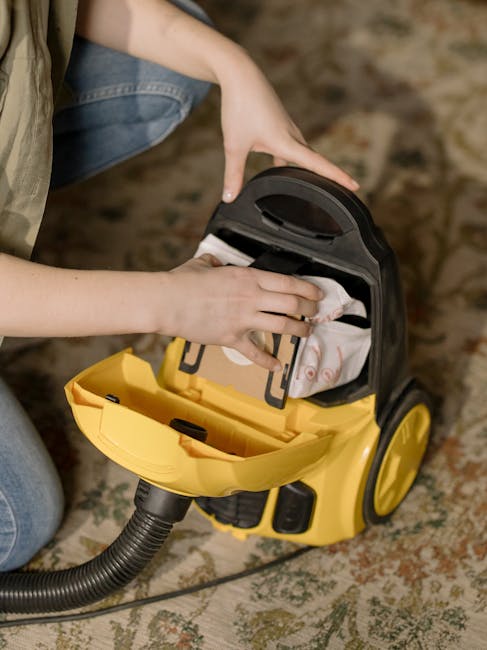
- Good vacuum cleaner: regular vacuuming prevents dry grit from grinding into the carpet.
- White cloths or paper towels: useful for blotting spills without transferring colour.
- Simple spot-testing approach: always test a cleaning product in a hidden area first.
- Notebook or phone notes: useful for tracking stains, cleaning dates, and drying times.
- Clear booking questions: ask what method will be used, whether furniture moving is included, and what aftercare is advised.
If you are checking a company before booking, browse useful service information such as carpet cleaning and related pages like rug cleaning or sofa cleaning when your rooms need a broader refresh. That helps you see whether the business understands textile care across the home, not just one surface.
It is also sensible to review trust and service pages. For example, insurance and safety information can give you reassurance that the company takes risk management seriously, while about us can help you understand who you are dealing with. Not thrilling reading, admittedly, but useful.
Law, Compliance, Standards, or Best Practice
For home carpet cleaning in the UK, the main thing is not a complicated legal rulebook but sensible, responsible practice. A cleaner should work carefully, use appropriate products, respect property, and avoid creating hazards. If they are using electrical equipment or water-based methods, safe working habits matter a lot. That includes good cable management, sensible ventilation, and clear communication about drying time and access.
For customers, the best practice is equally straightforward:
- make sure the service is insured;
- ask how stains, delicate fibres, or pre-existing wear are handled;
- request clear pricing before work begins;
- read the terms so you know what is included;
- keep records of what was agreed, especially for tenancy or landlord-related cleans.
There is also a practical consumer point here. If a cleaner gives vague answers about method, drying time, or what happens if a stain does not lift, that is a sign to slow down. Good providers should explain limitations honestly. Carpet cleaning is effective, but it is not magic. Some old marks are permanent, and honest advice is worth more than a dazzling promise.
Before booking, it can help to review the company's terms and conditions and payment and security information. That is especially useful if you are comparing several options and want a clean, low-drama process from start to finish.
Options, Methods, or Comparison Table
Not every carpet needs the same approach. The right method depends on fibre type, level of dirt, drying tolerance, and stain profile. Here is a practical comparison.
| Method | Best for | Pros | Watch-outs |
|---|---|---|---|
| Hot water extraction | General domestic carpets, deep soil, traffic lanes | Very thorough, good for embedded dirt | Longer drying time, not ideal for every delicate textile |
| Low-moisture cleaning | Busier homes, quicker turnaround, some commercial settings | Faster drying, less disruption | May need more careful stain treatment in advance |
| Dry cleaning | Sensitive fibres or situations where moisture must be limited | Minimal drying time | Not always the best choice for heavy soiling |
| Spot treatment only | Small isolated spills | Quick and targeted | Does not replace a full clean when the carpet is generally dirty |
If you are unsure which route fits your carpet, ask the cleaner to explain why they recommend one method over another. A thoughtful answer should mention fibre type, moisture risk, and drying time. If it sounds like a generic script, keep asking.
Case Study or Real-World Example
Picture a typical Walthamstow flat just off Hoe Street. The hallway is a little darker than the rest of the carpet because everyone enters there. The lounge has a faint coffee mark near the sofa, and there is a dull patch where the family always walks from the door to the kitchen. Nothing dramatic. Just normal life, really.
The first step was to vacuum properly and move a few small items out of the way. Then the cleaner checked the carpet fibre and identified the traffic areas for pre-treatment. The coffee spot needed extra attention, while the hallway was cleaned more broadly to even out the colour and feel. After the main clean, airflow was improved by opening windows slightly and leaving the room uncluttered.
What changed? The room did not just look cleaner; it felt less flat. The carpet pile stood up better, the hallway looked brighter in daylight, and the lingering "used" smell disappeared. Not every job becomes a dramatic before-and-after photo. Most good results are subtler. But those subtle changes are often what make the home feel calmer.
For situations where carpets are part of a bigger reset, the same household might also book end of tenancy cleaning or cleaning company support. That can be particularly useful when a move, repair, or inventory deadline is looming.
Practical Checklist
Use this checklist before you book or before the cleaner arrives.
- Identify the carpet material if you know it.
- List stains, marks, and odours clearly.
- Ask which cleaning method will be used.
- Confirm whether furniture moving is included.
- Check drying time and ventilation advice.
- Ask if delicate fibres need special handling.
- Review pricing and what is included.
- Make sure access to the room is clear.
- Keep pets and children away while cleaning is in progress.
- Read the aftercare instructions before putting furniture back.
If the job is larger than just carpets, you may also want to coordinate with window cleaning so the room feels properly finished. Fresh carpets under dusty windows can be a bit annoying, frankly. The whole space works better when the details line up.
Conclusion
A good carpet cleaning decision is not about chasing the cheapest offer or the most persuasive sales line. It is about matching the right method to the carpet in front of you, then choosing a provider who explains things clearly and works with care. On Hoe Street, where life is busy and homes see plenty of wear, that practical approach pays off.
If you remember only one thing, make it this: a carpet clean should improve the room without creating new problems. No soggy underlay, no mystery residue, no overblown promises. Just cleaner fibres, better freshness, and a calmer space under your feet.
For shoppers in Walthamstow, that is usually the real win. A home that feels looked after is a better place to return to after a long day on your feet.
Get a free quote today and see how much you can save.
Frequently Asked Questions
How often should carpets be professionally cleaned in a Hoe Street home?
It depends on foot traffic, pets, children, and how much dirt gets tracked in from outside. Many homes benefit from a professional clean when the carpet starts to look dull, feel sticky, or hold odours that vacuuming no longer solves.
Is hot water extraction safe for all carpets?
Not always. It is common and effective, but delicate fibres, certain dyes, and some older carpets may need a different method. A good cleaner should inspect the carpet first and explain why they recommend a particular approach.
Will carpet cleaning remove every stain?
No honest cleaner should promise that. Many stains improve a lot, some disappear, and some older marks remain faintly visible. Age, fibre type, and what caused the stain all matter. The key is improvement, not magic.
How long do carpets usually take to dry?
Drying time varies by method, room temperature, airflow, carpet thickness, and how much moisture was used. Some carpets dry fairly quickly, while others need longer. Always ask for a realistic estimate before the job starts.
Do I need to move furniture before the cleaner arrives?
Small items are usually best moved in advance. Larger furniture may be handled as part of the service, depending on what was agreed. It is worth checking this before booking so there are no awkward surprises on the day.
Is carpet cleaning worth it before moving out?
Often, yes. A clean carpet can help the property present better at inspection and avoid arguments about general dirt. Just keep in mind that stains, wear, and damage may not disappear completely, so manage expectations carefully.
What should I ask before booking a carpet cleaner?
Ask about the cleaning method, drying time, stain treatment, insurance, pricing, and whether pre-treatment is included. Those five points tell you far more than a polished sales pitch ever will.
Can carpet cleaning help with pet odours?
It can often reduce them significantly, especially when the odour is trapped in the fibres or surface backing. Deep-set smells can be more stubborn and may need targeted treatment. If pets are a big factor, mention it clearly at the start.
What is the difference between carpet cleaning and rug cleaning?
Carpets are usually fixed in place and cleaned in situ, while rugs are portable and often need more careful handling because of their size, backing, and fibre mix. If you have both, it can make sense to ask about rug cleaning as a separate service.
Are carpet cleaning products safe for children and pets?
They should be used carefully and according to the cleaner's instructions. The important part is proper application and proper drying. Until the carpet is fully ready, it is sensible to keep children and pets off the area.
Should I choose carpet cleaning or replace the carpet?
If the carpet is structurally worn, ripped, or badly damaged, replacement may be the better option. If the main issue is dirt, dullness, or odours, a professional clean is usually the more cost-effective first step. That is the honest way to look at it.
How do I compare carpet cleaning quotes fairly?
Look at what is actually included: room size, stain treatment, furniture moving, drying guidance, and any extras. The cheapest quote is not always the best value if it leaves out the things you really need.
Where can I learn more about the company before booking?
Useful starting points include the company's about us, insurance and safety information, and contact us pages. Those are practical places to check before making a decision.